Invoices, Agreements, Purchase Orders, Legal Documents, HR Documents & Policies, Supplementary Invoices, Credit & Debit Notes, Contracts, Deeds, Property Documents, Form 16 (Part A&B), Tax Returns, Bills, Litigation Documents.
Just simple four steps and multiple documents are signed in seconds
Browse file(s) or a folder
Just browse multiple PDF files at a time or a complete folder that containing files.
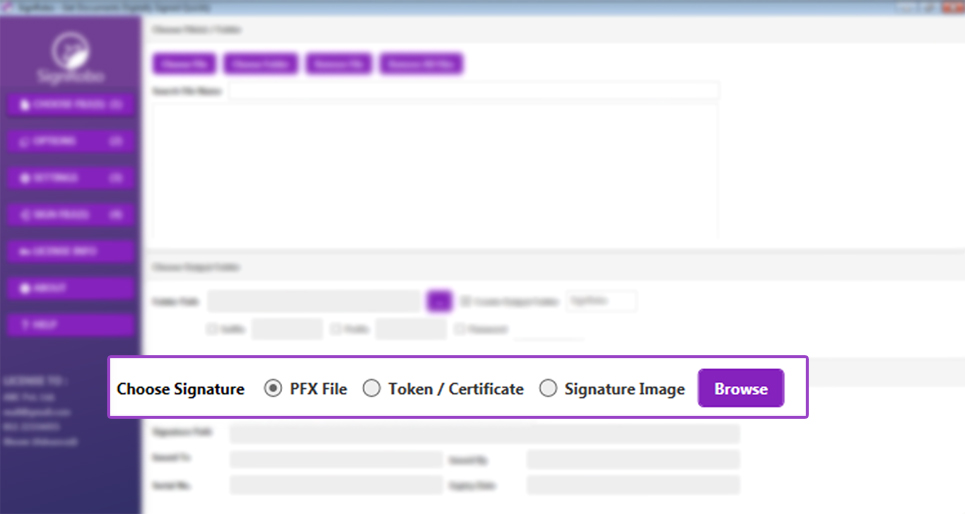
Choose DSC or signature image
Choose either any company's DSC token/USB drive or PFX file or signature image to sign PDF files.
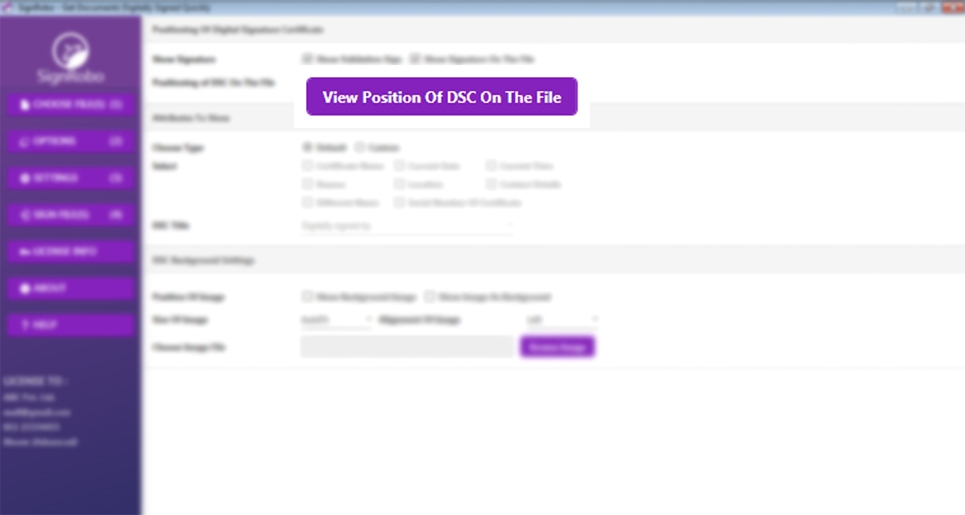
Choose Signature Location
Set the location of signature on the document, e.g. left, right, center, top or bottom. Location preview available.
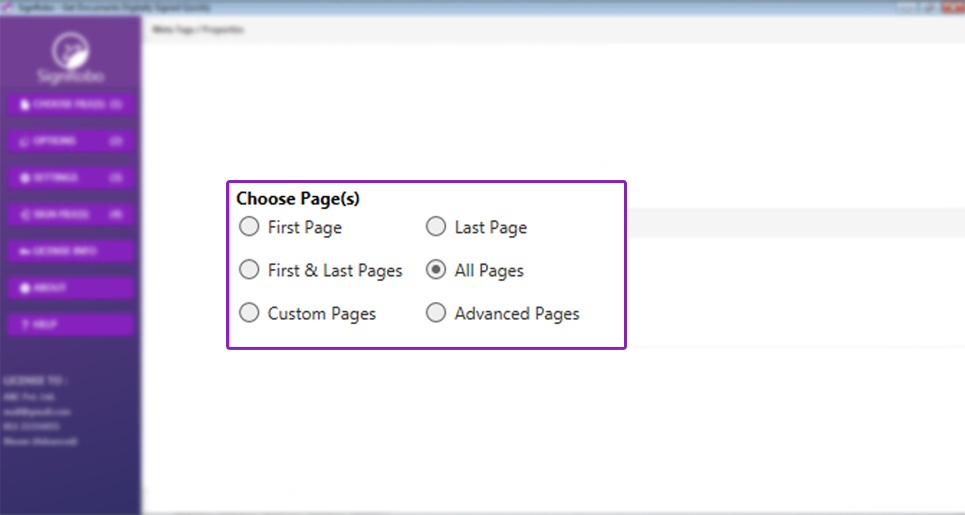
Select page numbers and DONE!
Select page number(s) on which you want get signature and press "sign button" and done.
Simple. Innovative. Go-getter. Nimble. Reliable. Optimal. Byond. Opulent.
SignRobo gives you multiples option to sign file(s), whether you can use any PFX file or DSC from token/USB drive or scanned signature image. This also allows you to sign multiple times on pages, even by using different DSC/token or signature image file. github for ubuntu upd
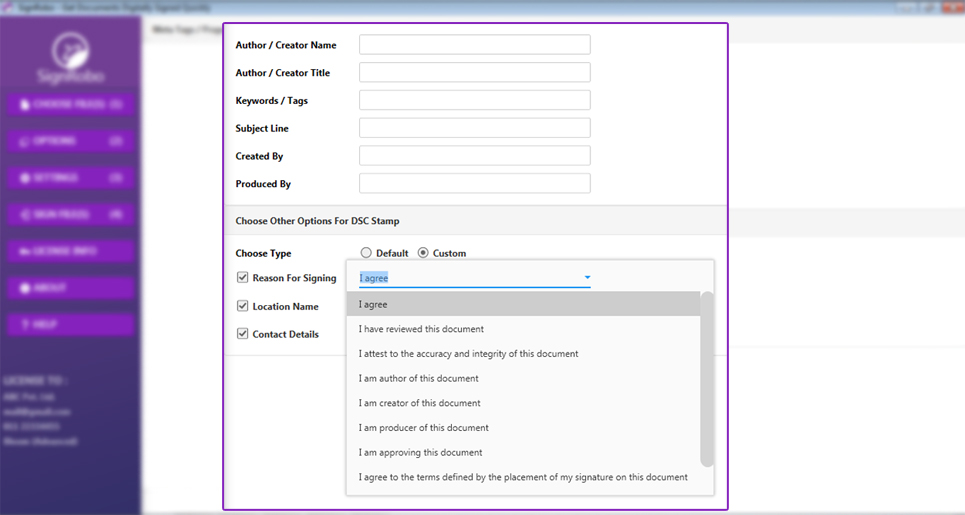
You can choose custom meta tags for file(s). These meta tags option allows you to set creator name, creator's title, location, date, time and reason for signing documents. There are pre-defined reason type there to select, but you have rights to create more reason types. git config --global credential
It gives an option to have preview before final sign. This is beauty of SignRobo that while having preview, you can alter signature location. Even you can set height and width of the signature. github for ubuntu upd
SignRobo gives you many options to choose desired page(s) on the you want DSC or image signature. Wide range and easy to use options are there like, first page, last page, first and last page, custom pages and some advanced options to desired page(s) to get signed.
git config --global credential.helper cache # Or use libsecret on GNOME: sudo apt install -y libsecret-1-0 libsecret-1-dev cd /usr/share/doc/git/contrib/credential/libsecret sudo make git config --global credential.helper /usr/share/doc/git/contrib/credential/libsecret/git-credential-libsecret From Ubuntu repos:
gh issue list gh pr status gh pr checkout 123 gh pr merge 123 Fetch and rebase or merge updates:
git tag -a v1.0.0 -m "Release 1.0.0" git push origin v1.0.0 gh release create v1.0.0 --title "v1.0.0" --notes "Release notes" Working with submodules:
git clone git@github.com:owner/repo.git or with HTTPS:
git clone https://github.com/owner/repo.git Create a branch and switch:
git submodule add git@github.com:owner/subrepo.git path/to/subrepo git submodule update --init --recursive Handling credentials for HTTPS (credential helper):
git add . git commit -m "Describe change" git push -u origin feature/my-change Open a pull request using gh:
No repetitive task. Save time and money. Hand over document signing task to SignRobo.
Downloads
Happy Customers
"Hi" Received
Industries We Served


git config --global credential.helper cache # Or use libsecret on GNOME: sudo apt install -y libsecret-1-0 libsecret-1-dev cd /usr/share/doc/git/contrib/credential/libsecret sudo make git config --global credential.helper /usr/share/doc/git/contrib/credential/libsecret/git-credential-libsecret From Ubuntu repos:
gh issue list gh pr status gh pr checkout 123 gh pr merge 123 Fetch and rebase or merge updates:
git tag -a v1.0.0 -m "Release 1.0.0" git push origin v1.0.0 gh release create v1.0.0 --title "v1.0.0" --notes "Release notes" Working with submodules:
git clone git@github.com:owner/repo.git or with HTTPS:
git clone https://github.com/owner/repo.git Create a branch and switch:
git submodule add git@github.com:owner/subrepo.git path/to/subrepo git submodule update --init --recursive Handling credentials for HTTPS (credential helper):
git add . git commit -m "Describe change" git push -u origin feature/my-change Open a pull request using gh: