Indian Sixy Video Top -

Indian Sixy Video Top -

Importing tool data in Teamcenter 11.2

Indian cinema has come a long way since its inception, with a rich history and a massive following. From the early days of mythological films to the modern-day blockbusters, Indian movies have evolved over the years, reflecting the country's cultural, social, and economic changes. With a focus on storytelling, music, dance, cultural connect, star power, and emotional connect, Indian movies continue to captivate audiences worldwide. Whether you're a fan of classic films or modern blockbusters, there's no denying the magic of Indian cinema.

The 1950s and 1960s are often referred to as the Golden Age of Indian cinema. This period saw the emergence of iconic filmmakers like Raj Kapoor, Guru Dutt, and B.R. Chopra, who made films that are still remembered today. Movies like "Awaara" (1952), "Shree 420" (1955), and "Mughal-e-Azam" (1960) are considered some of the greatest Indian films of all time.

The 1970s and 1980s saw the rise of Bollywood, with movies like "Sholay" (1975), "Deewar" (1975), and "Tezaab" (1988) becoming huge hits. This period also saw the emergence of stars like Amitabh Bachchan, Rajesh Khanna, and Shah Rukh Khan, who would go on to become household names.

The first Indian film, "Raja Harishchandra," was released in 1913, marking the beginning of the Indian film industry. The early days of Indian cinema were characterized by mythological and historical films, which were popular among the audience. The 1920s and 1930s saw the rise of film studios, and movies began to be made on a larger scale.

Interface Description:

1. Searching for tools

1.1. General ToolsUnited search

One option to find tools in Teamcenter is the general search, using the web interface of ToolsUnited.

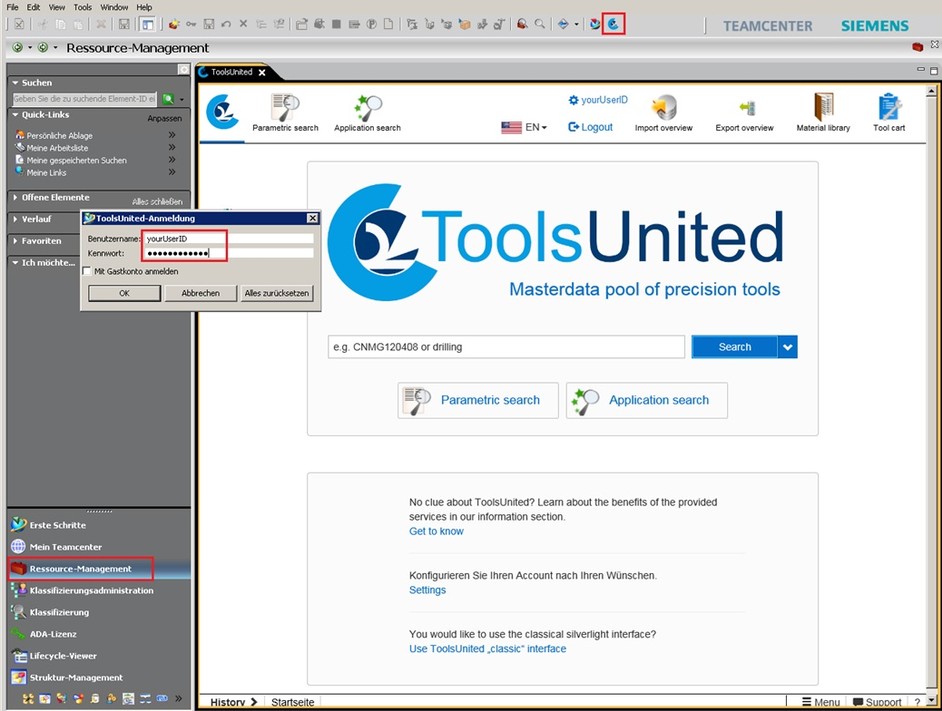
  • Move to the navigation pane on the lower left of your Teamcenter interface and navigate to the “Resource-Management” dialog.
  • Use the CIMSOURCE button in the toolbar at the top to access the web interface of ToolsUnited. A dialog will pop up, requesting your username and password.
  • The “ToolsUnited” tab will open, presenting the familiar web interface of ToolsUnited.
indian sixy video top

1.2. Classification Search Dialog

Alternatively, you may use the “Classification Search Dialog” to find tools in Teamcenter.

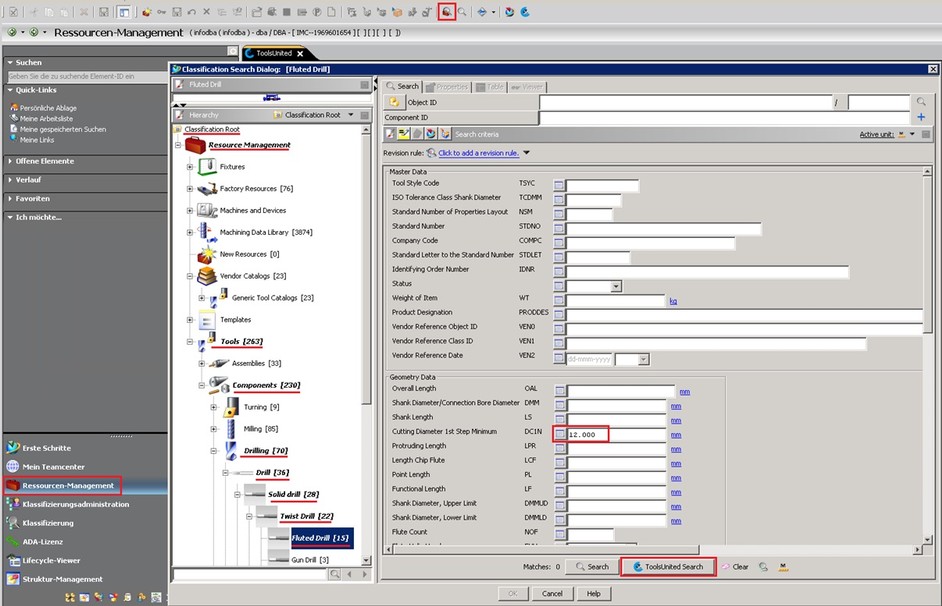
  • Again, move to the navigation pane on the lower left of your Teamcenter interface and navigate to the “Resource-Management” dialog
  • Use the “Classification Search Dialog” button in the toolbar at the top to access the window
  • In that window, use the Classification Root to navigate to the tool class you would like to browse (e.g. Classification Root → Resource Management → Tools → Components → Drilling → Solid drill → Twist Drill → Fluted Drill)
  • Using the “Search criteria” mask, you may define your tool. Start your search by using the “ToolsUnited Search” button
  • The “ToolsUnited” tab will open, presenting your results on the familiar web interface of ToolsUnited
step 2 of teamcenter and ToolsUnited interface description

2. Downloading tool data from ToolsUnited

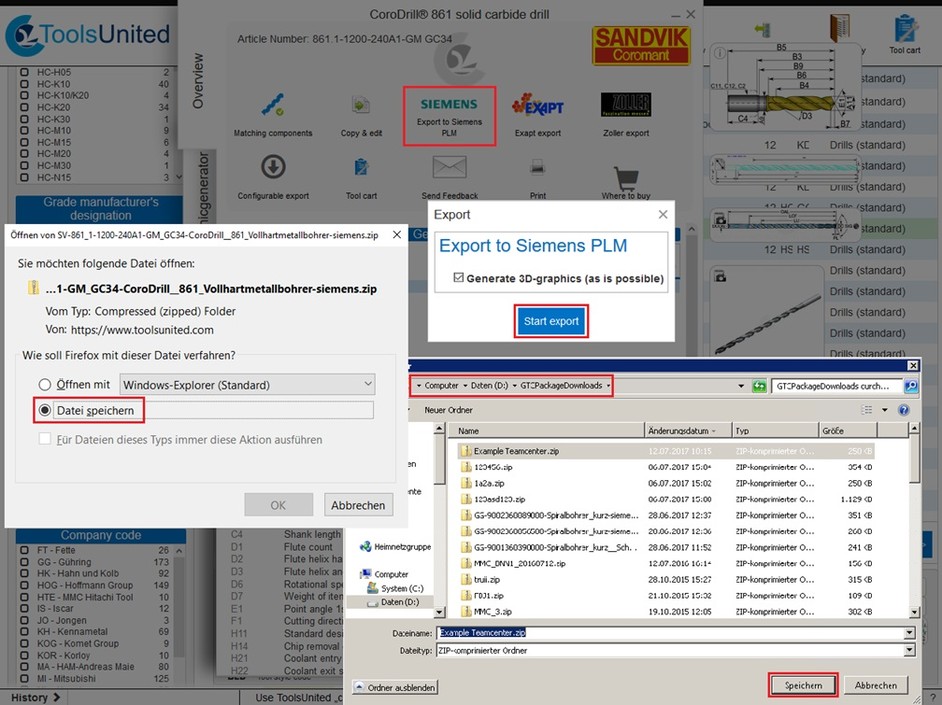
  • When you have selected a tool that matches your search criteria, you may download it by clicking the “Export to Siemens PLM” button.
  • In the export dialog, you may choose whether a 3D graphic shall be generated.
  • After clicking “Start export”, the download options will show. We recommend saving the data in the same directory you’ve chosen earlier in the preference “MRMGTCVendorCatalogRootDir” (Standard is “C:” and “D:”).
step 3 instruction on ToolsUnited and Siemens PLM

Indian Sixy Video Top -

Indian cinema has come a long way since its inception, with a rich history and a massive following. From the early days of mythological films to the modern-day blockbusters, Indian movies have evolved over the years, reflecting the country's cultural, social, and economic changes. With a focus on storytelling, music, dance, cultural connect, star power, and emotional connect, Indian movies continue to captivate audiences worldwide. Whether you're a fan of classic films or modern blockbusters, there's no denying the magic of Indian cinema.

The 1950s and 1960s are often referred to as the Golden Age of Indian cinema. This period saw the emergence of iconic filmmakers like Raj Kapoor, Guru Dutt, and B.R. Chopra, who made films that are still remembered today. Movies like "Awaara" (1952), "Shree 420" (1955), and "Mughal-e-Azam" (1960) are considered some of the greatest Indian films of all time. indian sixy video top

The 1970s and 1980s saw the rise of Bollywood, with movies like "Sholay" (1975), "Deewar" (1975), and "Tezaab" (1988) becoming huge hits. This period also saw the emergence of stars like Amitabh Bachchan, Rajesh Khanna, and Shah Rukh Khan, who would go on to become household names. Indian cinema has come a long way since

The first Indian film, "Raja Harishchandra," was released in 1913, marking the beginning of the Indian film industry. The early days of Indian cinema were characterized by mythological and historical films, which were popular among the audience. The 1920s and 1930s saw the rise of film studios, and movies began to be made on a larger scale. Whether you're a fan of classic films or
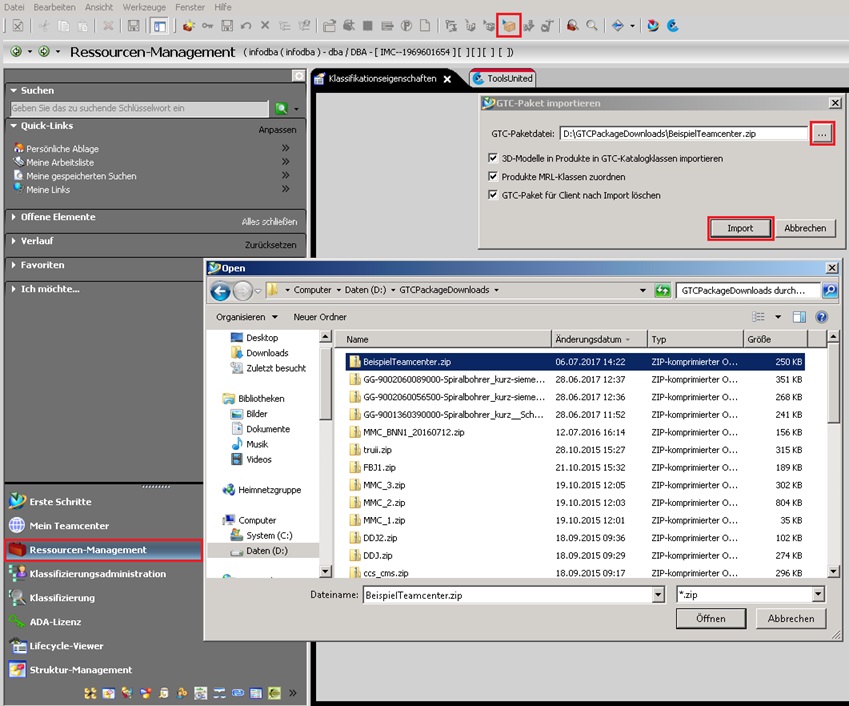
  • In the navigation pane on the lower left, choose the “Resource Management”
  • Click the “Import GTC package and map from catalog to customer area” button from your toolbar at the top
  • A dialog will appear. Choose the GTC Package you have downloaded. By ticking, you may also trigger the following options:
    • The import of 3D models
    • Mapping tools from GTC ToolsUnited classes to MRL Tool Component classes
    • Deleting the GTC packages from the Teamcenter client
indian sixy video top

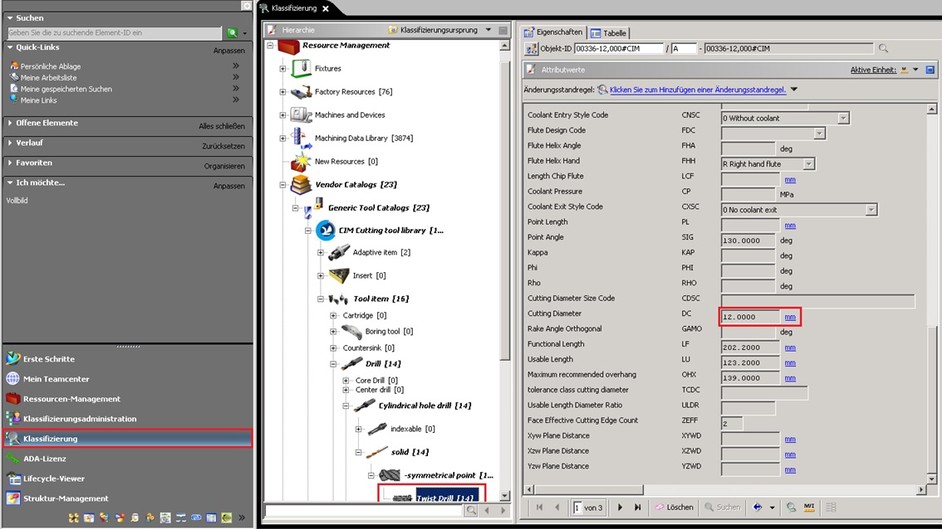
Successfully imported tools will be displayed in the application “Classification”. Extend the hierarchy to the respective tool subclass and search for e.g. the Cutting Diameter.

step 4 instruction on Siemens PLM and ToolsUnited