Celebrating 20 Years
Scan, Fix, Clean, Optimize and Protect Your PC


Our 7.9k+ Satisfied Customers
Culturally, Tenoke’s evolving story can be an asset. By celebrating local arts, crafts, music, and cuisine, the community can build a distinct identity that supports cultural tourism and pride. Programs that document oral histories and teach traditional crafts in schools will maintain continuity even as lifestyles shift. At the same time, openness to new cultural influences can foster creative fusion and innovation without erasing heritage.
Governance and planning are central to Tenoke’s successful transition. Transparent local governance that collaborates with regional authorities, NGOs, and private partners can mobilize funding and technical assistance while protecting community interests. Strategic planning should emphasize phased infrastructure upgrades (roads, broadband, sanitation), robust education and healthcare access, and zoning that preserves critical ecological zones. Participatory planning—engaging residents in mapping priorities and trade-offs—will produce more equitable and sustainable outcomes. tenoke update upd
Socially, the influence of outside ideas and media has introduced different lifestyles and expectations. Younger generations increasingly value mobility, higher education, and technological fluency, which can cause intergenerational friction. At the same time, enhanced connectivity has enabled community members to maintain cultural practices by documenting rituals, sharing local stories online, and organizing events that attract visitors and strengthen identity. Ensuring inclusive participation in decision-making—so that elders, youth, and marginalized groups all have a voice—is crucial to maintaining social cohesion during change. Culturally, Tenoke’s evolving story can be an asset
In conclusion, the Tenoke update is less a single event than an ongoing process of adaptation. Embracing economic diversification, investing in human capital, protecting natural assets, strengthening inclusive governance, and celebrating cultural heritage form a coherent strategy for balanced progress. If Tenoke navigates these elements thoughtfully—rooting change in community values while adopting forward-looking practices—it can achieve resilient prosperity that honors its past and prepares for the future. At the same time, openness to new cultural
Environmentally, Tenoke’s update must reconcile development with stewardship. The expansion of industry and tourism risks straining local water resources, increasing waste, and altering landscapes. Conversely, Tenoke has opportunities to lead with sustainable approaches: adopting regenerative agriculture, community-managed forests, and low-impact tourism models that prioritize conservation. Policies that incentivize green practices—such as subsidies for water-saving irrigation or grants for renewable energy—would help align growth with environmental resilience.
Tenoke, a small but rapidly evolving community, stands at a crossroads where tradition meets the impulse for modern change. Historically rooted in agricultural practices and close-knit social ties, Tenoke has long valued self-reliance, shared labor, and seasonal rhythms. Recent developments—improved transportation links, the arrival of small-scale industry, and expanded digital connectivity—have begun to reshape daily life, offering both opportunities and challenges.
Economically, the update in Tenoke centers on diversification. While farming remains foundational, new enterprises—artisan workshops, eco-tourism initiatives, and remote-service businesses—are emerging. These ventures provide alternative income streams and help retain younger residents who previously migrated to urban centers. However, this shift demands new skills, access to capital, and infrastructure improvements. Local leaders face the task of balancing investment in education and vocational training with preserving the community’s traditional knowledge systems.

Fix annoying PC issues

Get a cleaner computer in minutes

Speed up and revive your PC

Repair an patch your system files

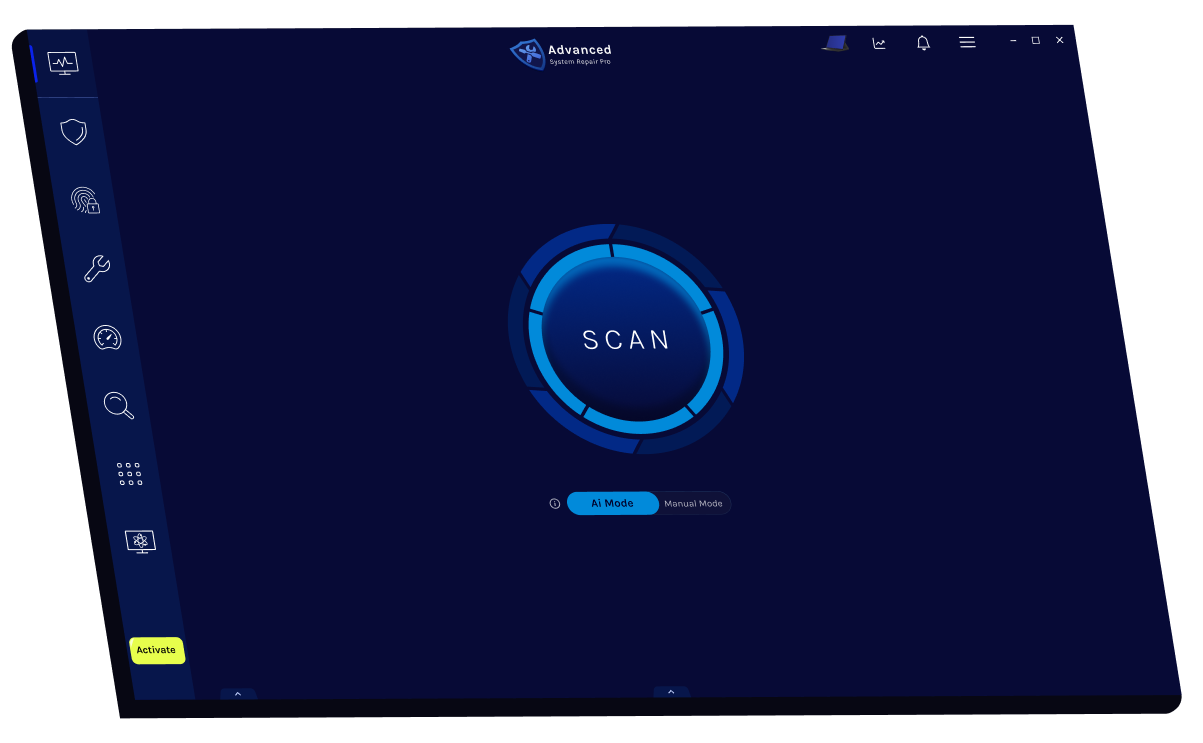
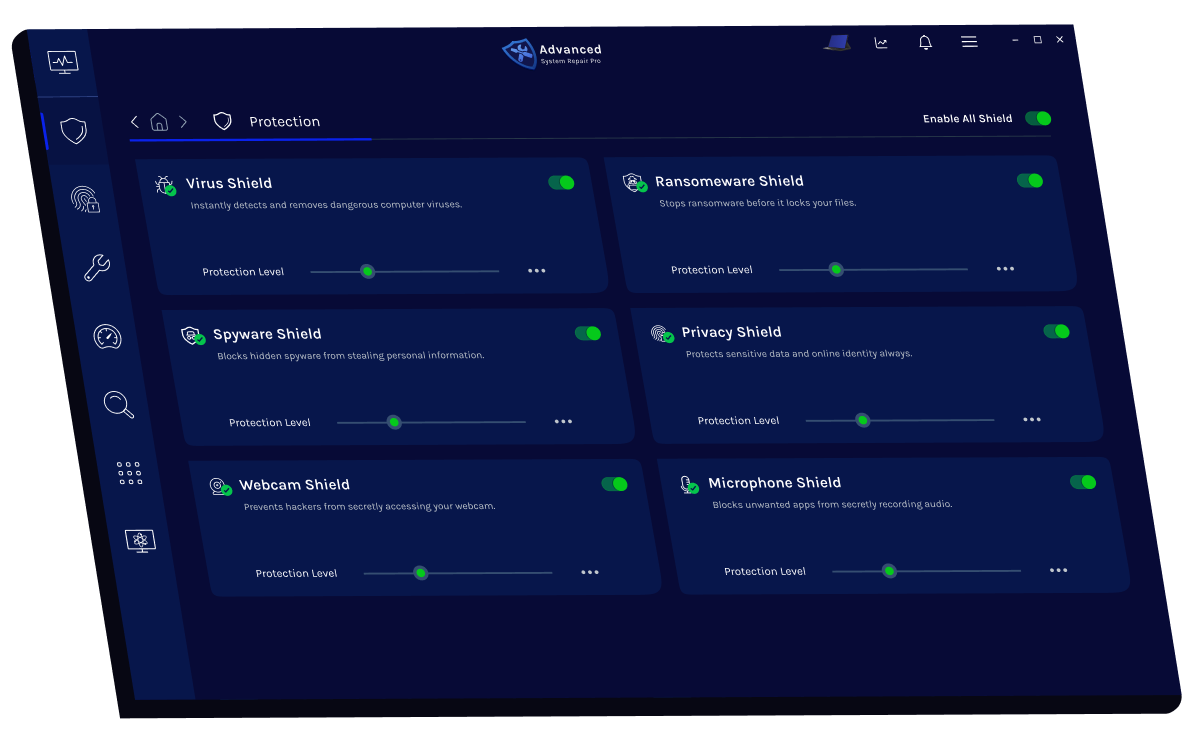

Blocks and removes harmful viruses instantly.

Detects, prevents, and eliminates hidden malicious threats.
Stops ransomware attacks before data gets encrypted.
Protects your personal data from online tracking.
Prevents hackers from spying through your webcam.
Blocks unauthorized apps from listening or recording audio.




Connect with a customer care specialist or tech support, 24/7

Finds and removes all types of harmful malware including trojans, worms, bots, adware, spyware, PUPs and more!

Keeping your computer free from unnecessary clutter also helps make your computer last longer. Like any other machine, if you keep it clean and take care of it, it will serve you better longer!

The all-in-one privacy suite to Clean Your Tracks & Protect Your Privacy! Make your computer safe, secure and more efficient!


Protects your PC from viruses, malware, and online threats in real time.

Shields your personal data and erases online traces to keep your identity safe.

Boosts speed and efficiency by cleaning, optimizing, and repairing your system.
Culturally, Tenoke’s evolving story can be an asset. By celebrating local arts, crafts, music, and cuisine, the community can build a distinct identity that supports cultural tourism and pride. Programs that document oral histories and teach traditional crafts in schools will maintain continuity even as lifestyles shift. At the same time, openness to new cultural influences can foster creative fusion and innovation without erasing heritage.
Governance and planning are central to Tenoke’s successful transition. Transparent local governance that collaborates with regional authorities, NGOs, and private partners can mobilize funding and technical assistance while protecting community interests. Strategic planning should emphasize phased infrastructure upgrades (roads, broadband, sanitation), robust education and healthcare access, and zoning that preserves critical ecological zones. Participatory planning—engaging residents in mapping priorities and trade-offs—will produce more equitable and sustainable outcomes.
Socially, the influence of outside ideas and media has introduced different lifestyles and expectations. Younger generations increasingly value mobility, higher education, and technological fluency, which can cause intergenerational friction. At the same time, enhanced connectivity has enabled community members to maintain cultural practices by documenting rituals, sharing local stories online, and organizing events that attract visitors and strengthen identity. Ensuring inclusive participation in decision-making—so that elders, youth, and marginalized groups all have a voice—is crucial to maintaining social cohesion during change.
In conclusion, the Tenoke update is less a single event than an ongoing process of adaptation. Embracing economic diversification, investing in human capital, protecting natural assets, strengthening inclusive governance, and celebrating cultural heritage form a coherent strategy for balanced progress. If Tenoke navigates these elements thoughtfully—rooting change in community values while adopting forward-looking practices—it can achieve resilient prosperity that honors its past and prepares for the future.
Environmentally, Tenoke’s update must reconcile development with stewardship. The expansion of industry and tourism risks straining local water resources, increasing waste, and altering landscapes. Conversely, Tenoke has opportunities to lead with sustainable approaches: adopting regenerative agriculture, community-managed forests, and low-impact tourism models that prioritize conservation. Policies that incentivize green practices—such as subsidies for water-saving irrigation or grants for renewable energy—would help align growth with environmental resilience.
Tenoke, a small but rapidly evolving community, stands at a crossroads where tradition meets the impulse for modern change. Historically rooted in agricultural practices and close-knit social ties, Tenoke has long valued self-reliance, shared labor, and seasonal rhythms. Recent developments—improved transportation links, the arrival of small-scale industry, and expanded digital connectivity—have begun to reshape daily life, offering both opportunities and challenges.
Economically, the update in Tenoke centers on diversification. While farming remains foundational, new enterprises—artisan workshops, eco-tourism initiatives, and remote-service businesses—are emerging. These ventures provide alternative income streams and help retain younger residents who previously migrated to urban centers. However, this shift demands new skills, access to capital, and infrastructure improvements. Local leaders face the task of balancing investment in education and vocational training with preserving the community’s traditional knowledge systems.


Cybersecurity is the practice of protecting computers, networks, and data from unauthorized access, attacks, or damage. It involves using advanced tools and strategies to safeguard your digital information from hackers, malware, and online threats.
Cybersecurity is vital because it keeps your personal information, financial data, and digital identity safe from cybercriminals. Without it, you risk data breaches, identity theft, and financial loss.
Your computer’s performance can slow down due to unnecessary background programs, malware infections, outdated drivers, or system clutter like junk files and registry errors. Regular maintenance and optimization can help restore speed and stability.
Online privacy is a concern because websites, advertisers, and hackers can track your activity, collect personal data, and exploit it for profit or malicious purposes. Protecting your privacy helps you maintain control over your information and identity online.

 Our Lab
-Certification and Test Results
- Comparative and Performance Test Results