We’ve a solid background in using hardware and we love it. But the journey to software offers unrivaled flexibility and ease of use.
Be on that journey with the experts you can trust.
Get started
For remote contributions, outside broadcasts and more.
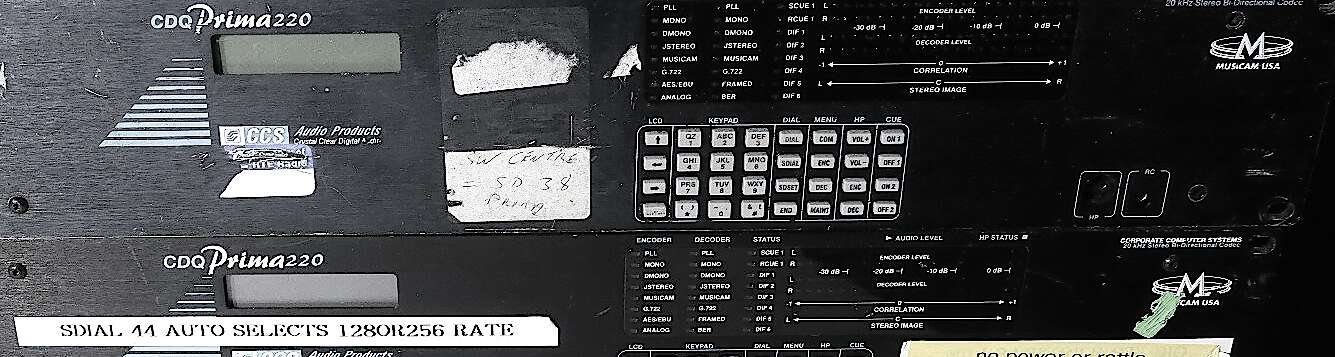
We’ve a solid background in using hardware and we love it. But the journey to software offers unrivaled flexibility and ease of use.
Be on that journey with the experts you can trust.
Get started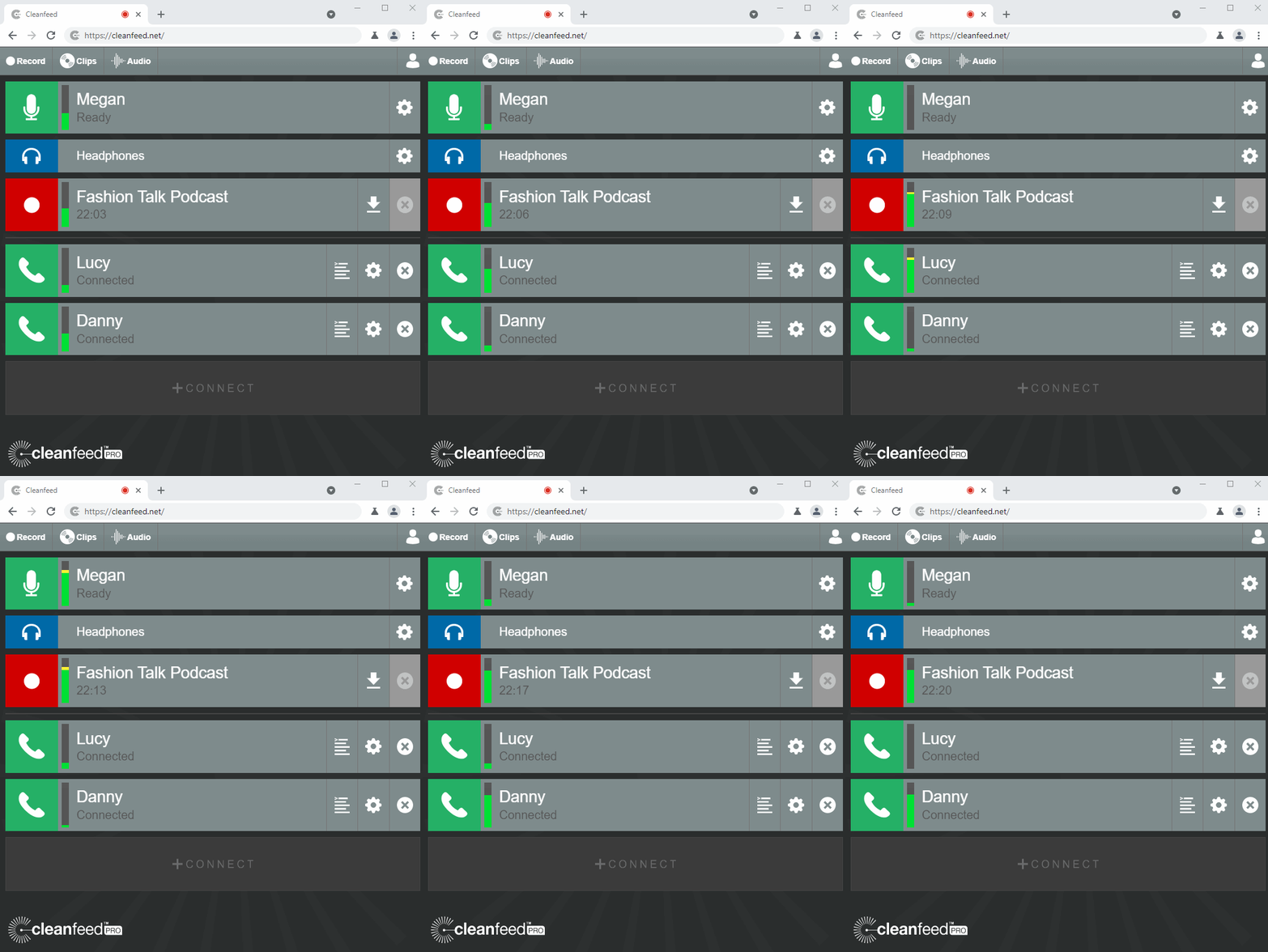
And then the practical realities surface. Private videos are private for reasons: consent, commercial control, copyright, or safety. Tools that ignore those boundaries risk causing harm. There are legal frameworks in many jurisdictions protecting copyrighted material and privacy; platform terms of service commonly forbid unauthorized downloading. The line between scholarly archiving, personal backup, and illicit reproduction is thin and context-dependent.
The cycle surrounding such downloaders is instructive about how digital ecosystems evolve. First comes demand: someone wants a copy. Then supply: a developer builds a scraper or a downloader that can bypass restrictions or replicate authenticated sessions. Then distribution: the tool spreads through forums, social platforms, and repositories. Finally — and crucially — there is adaptation: platforms patch, legal frameworks respond, and users pivot to newer methods. This back-and-forth is the choreography of an arms race between convenience and control, between users’ desire for autonomy and platforms’ need to protect content and privacy.
There is poetry, too, in the mundane details. The progress bar that refuses to move. The console spitting error codes about cookies and tokens. The euphoric snapshot of a completed download and the small anticlimax when a file plays back with a timestamp or watermark that betrays its origin. The online instructions — terse, sometimes rude, often written by people who assume a shared baseline of technical competence — form a modern folklore: memes, pastebin snippets, and outdated command lines that still work for a while.
Our no-cost option is great for hobbyists and new podcasters
For serious productions that care about audio
US$23 monthly $23 monthly £13 monthly €17 monthly with discount, see eligibility. Prices ex. VAT.
Join the prestigious organizations organisations with an Enterprise license

Take your production to the next level with the full features of Cleanfeed Pro.
Starts at US$23 per month for personal use.
Priced at US$12 per month.
Starts at $23 per month for personal use.
Starts at £17 per month for personal use.
Starts at €17 per month for personal use.
1 month minimum.
See our pricing and upgrade within the
app.
Everyone in a separate track, perfectly in sync, no drift. Instant zip files, open in your favourite audio editor.
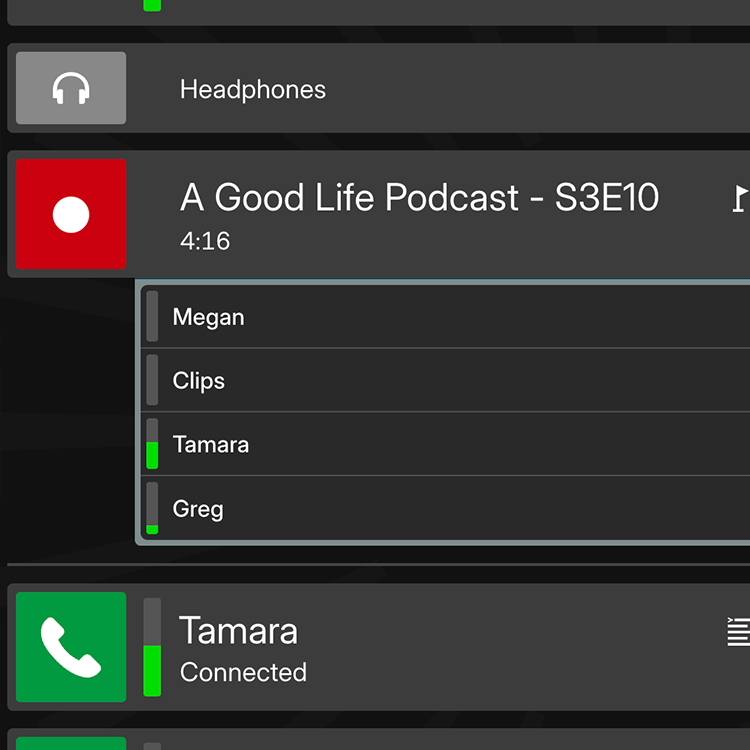
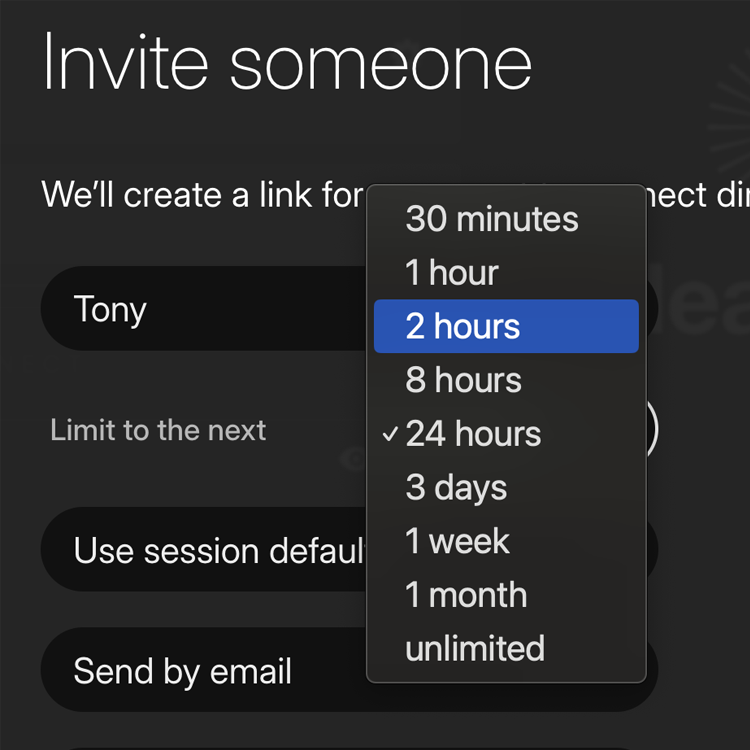
Personalized Personalised invites and notification settings. Keep control of who can join a session, when and how. thisvid private video downloader full
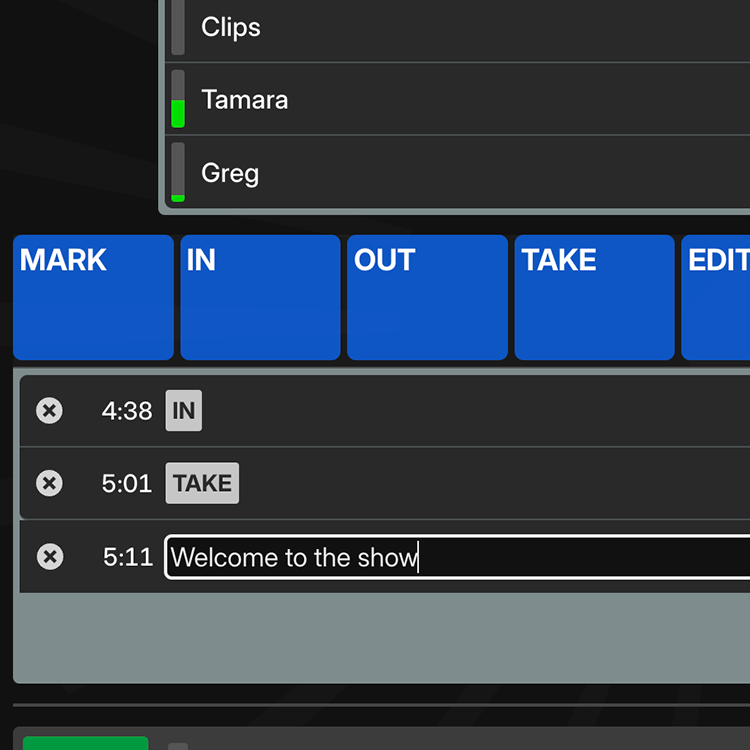
Distraction-free labelling with timestamps during recording.
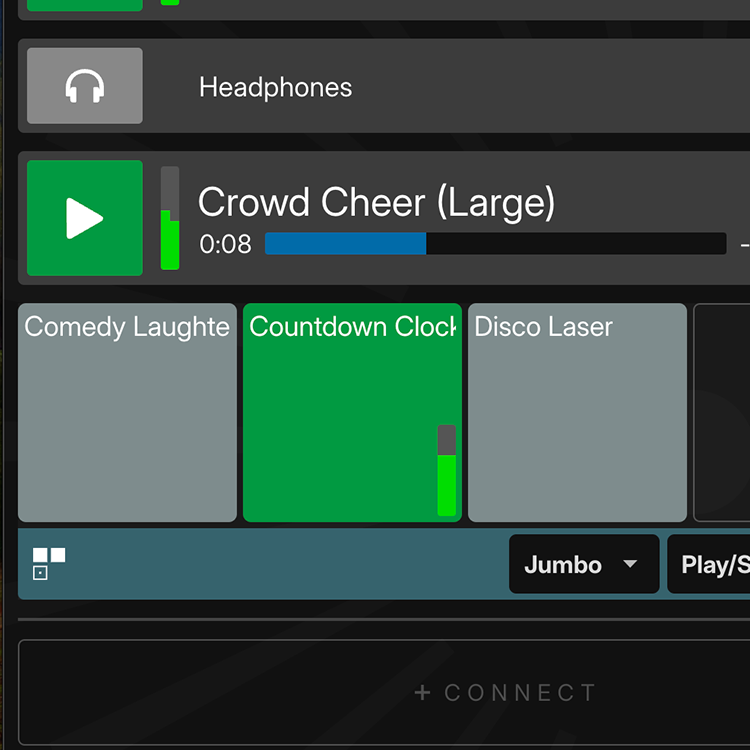
Intro, idents, jingles, beds. Playback audio live and it’s recorded, too.
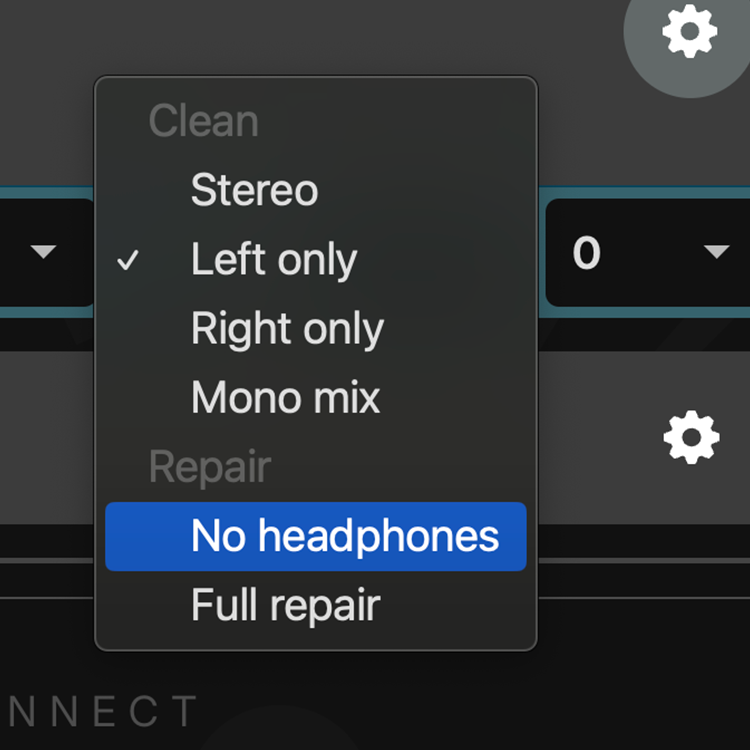
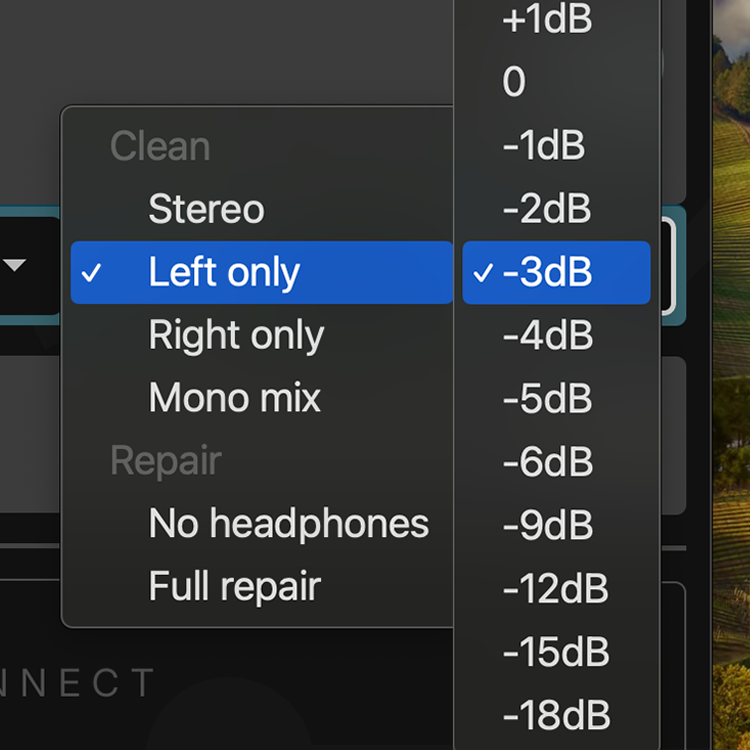
Headphones just out of reach? We always recommend them, but fix up audio live for only those guests who need it. And then the practical realities surface
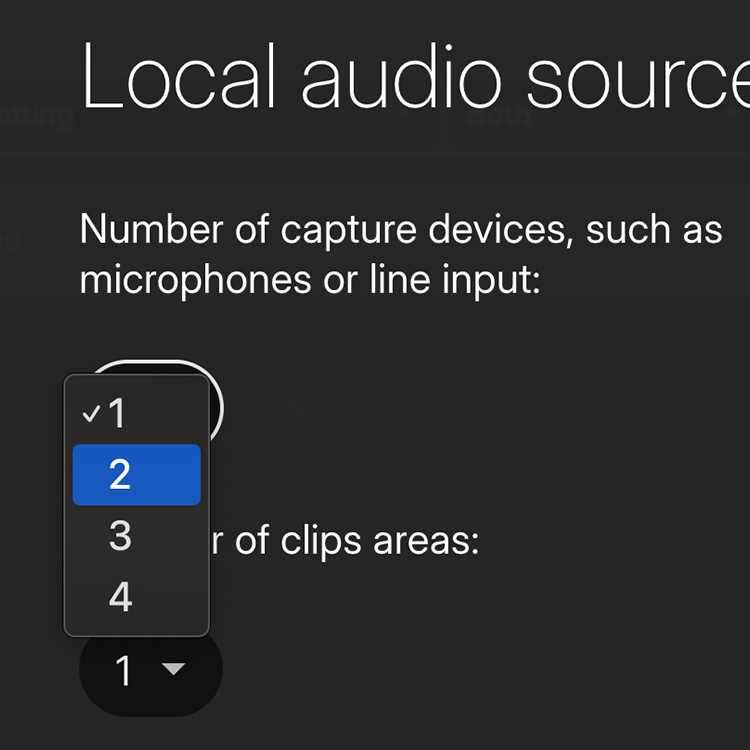
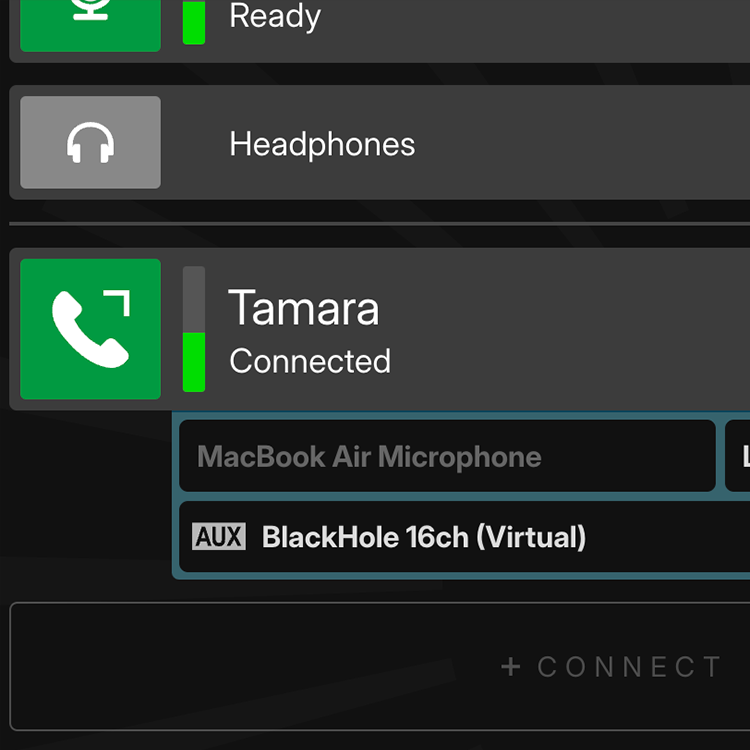
An extra USB mic, a mixer, and more. Connect up to four local devices and record them to separate tracks.
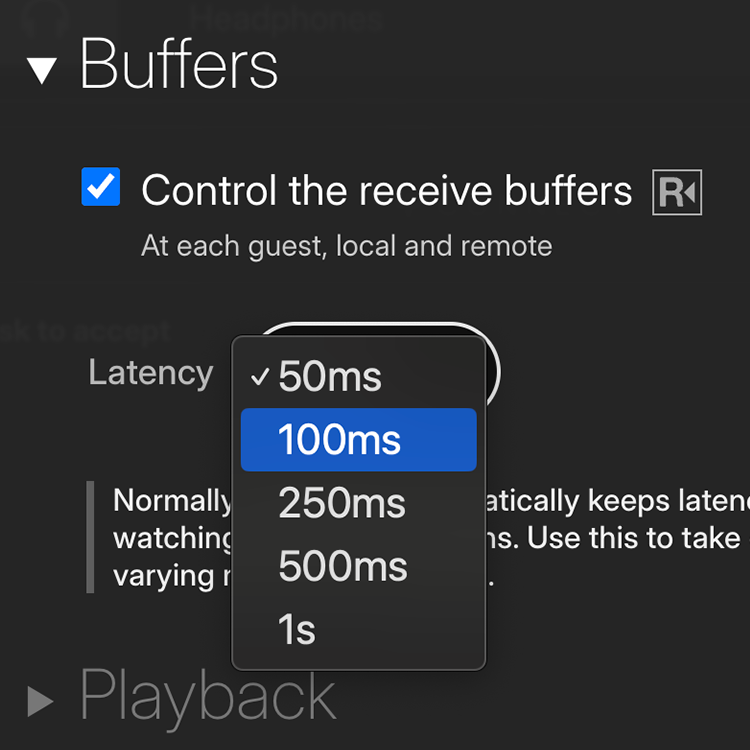
Ensure the highest quality audio all the time. Buffers ensure that connections are fully smoothed out.
Adjust levels and get great results, live. Save time in post-production later. There are legal frameworks in many jurisdictions protecting
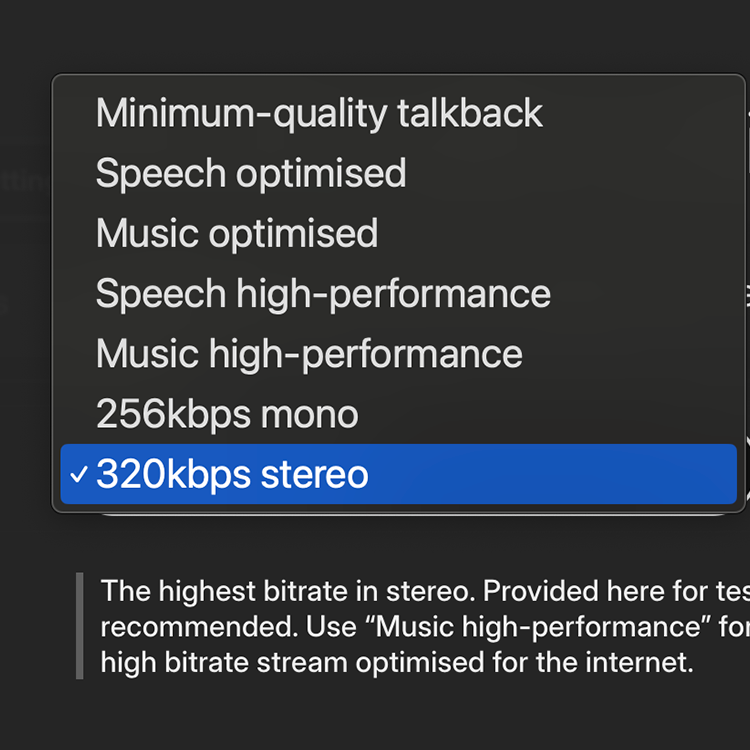
Need to turn the dial to 11? Up to 256kbps mono or 320kbps stereo or High performance modes for more bits and less latency.
Get an isolated audio output for each guest to route audio wherever you want.
And then the practical realities surface. Private videos are private for reasons: consent, commercial control, copyright, or safety. Tools that ignore those boundaries risk causing harm. There are legal frameworks in many jurisdictions protecting copyrighted material and privacy; platform terms of service commonly forbid unauthorized downloading. The line between scholarly archiving, personal backup, and illicit reproduction is thin and context-dependent.
The cycle surrounding such downloaders is instructive about how digital ecosystems evolve. First comes demand: someone wants a copy. Then supply: a developer builds a scraper or a downloader that can bypass restrictions or replicate authenticated sessions. Then distribution: the tool spreads through forums, social platforms, and repositories. Finally — and crucially — there is adaptation: platforms patch, legal frameworks respond, and users pivot to newer methods. This back-and-forth is the choreography of an arms race between convenience and control, between users’ desire for autonomy and platforms’ need to protect content and privacy.
There is poetry, too, in the mundane details. The progress bar that refuses to move. The console spitting error codes about cookies and tokens. The euphoric snapshot of a completed download and the small anticlimax when a file plays back with a timestamp or watermark that betrays its origin. The online instructions — terse, sometimes rude, often written by people who assume a shared baseline of technical competence — form a modern folklore: memes, pastebin snippets, and outdated command lines that still work for a while.