
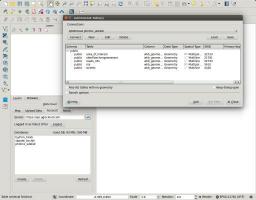
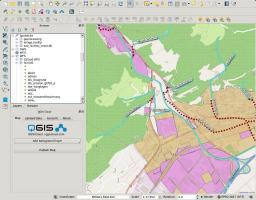
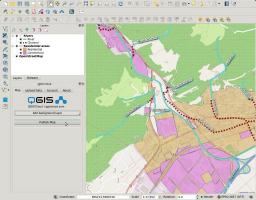
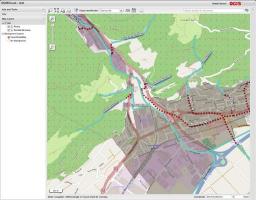
QGIS Cloud is your powerful Web-GIS platform for publishing maps, data and services on the internet. Create and edit professional maps with all the capabilities from QGIS. With only a few short mouse-clicks you can share your work on qgiscloud.com with the public.
The American Civil War (1861-1865) marked a turning point in the use of volley and bayonet tactics. The introduction of rifled artillery and more accurate rifles made traditional linear formations and volley fire increasingly obsolete. The Minié ball, a conical-shaped bullet, also caused more severe wounds, making close-quarters combat even more deadly.
The bayonet charge, on the other hand, was a close-quarters tactic used to break enemy lines. Developed in the late 17th century, the bayonet allowed soldiers to engage in hand-to-hand combat, using the bayonet as a thrusting weapon. volley and bayonet rules pdf version
During the 18th century, European armies employed linear formations, where soldiers stood shoulder-to-shoulder in long lines. The volley was a primary tactic used to weaken these formations. A volley involved a synchronized firing of muskets, typically in a three-rank formation, where the front rank fired, then stepped back to reload while the second rank fired, and so on. This created a wall of lead that could devastate enemy formations. The American Civil War (1861-1865) marked a turning




The American Civil War (1861-1865) marked a turning point in the use of volley and bayonet tactics. The introduction of rifled artillery and more accurate rifles made traditional linear formations and volley fire increasingly obsolete. The Minié ball, a conical-shaped bullet, also caused more severe wounds, making close-quarters combat even more deadly.
The bayonet charge, on the other hand, was a close-quarters tactic used to break enemy lines. Developed in the late 17th century, the bayonet allowed soldiers to engage in hand-to-hand combat, using the bayonet as a thrusting weapon.
During the 18th century, European armies employed linear formations, where soldiers stood shoulder-to-shoulder in long lines. The volley was a primary tactic used to weaken these formations. A volley involved a synchronized firing of muskets, typically in a three-rank formation, where the front rank fired, then stepped back to reload while the second rank fired, and so on. This created a wall of lead that could devastate enemy formations.
© 2013-2026 Sourcepole AG. All Rights Reserved. General Terms and Conditions | Privacy